Saturday, September 19

Author: Catherine

Easter Eggs Go Natural As Artificial Dyes Fade
Diet

Easter Eggs Go Natural As Artificial Dyes Fade

With artificial food coloring increasingly under fire, home cooks are turning to pantry staples to tint their Easter eggs instead of relying on synthetic dye kits. Beets, turmeric, blueberries, onion skins, cabbage, and hibiscus can all yield vivid hues when simmered in water, strained, then spiked with vinegar to help the pigment cling to shells. After cooling, the natural dye baths work much like store-bought versions: some eggs color in minutes, others need an overnight soak and multiple dips for depth. Turmeric produces sunny yellows, blueberries deep purples, beets pinks, while red onion skins and purple cabbage create surprisingly intense reds and blues. Not every “natural” colorant performs well—spirulina and matcha barely register on shells—so experiment and keep eggs refrigerated ...
Spring Supplements: How to Refresh Your Wellness Routine This Season
Wellness

Spring Supplements: How to Refresh Your Wellness Routine This Season

Spring’s longer days are more than a mood shift — they’re a cue to rethink how you support your body from the inside out. Health experts say that while basic nutritional needs stay steady year-round, the move outdoors can alter sleep patterns, energy levels and even how your skin and sinuses cope with pollen-heavy air. This seasonal reset has prompted renewed interest in targeted supplements that back immune defenses, bolster joint comfort for more active days, support restorative sleep and maintain resilient skin and hair. Alongside these niche add-ons, core nutrients such as vitamin D, magnesium, omega‑3 fats and B vitamins remain the foundation of a year-round regimen. For a full breakdown of spring-focused nutrients and how they align with specific health goals, see the original repo...
Herbal Helpers Offer Natural Relief From Painful Bloating
Remedies

Herbal Helpers Offer Natural Relief From Painful Bloating

pushing more people toward gentler, plant-based fixes. Drawing on traditional medicine, specialist Dr José Luis Berdonces highlights everyday herbs such as cumin, fennel, ginger and peppermint, which stimulate digestive enzymes, relax intestinal muscles and help disperse gas before it becomes painful. Angelica, thyme, oregano and anise also feature on his list, used as teas, extracts or kitchen staples to ease spasms and “internal fermentation.” Alongside these remedies, simple routines – brisk walks, abdominal massage, warm lemon water, apple cider vinegar or activated charcoal – can further calm an overworked gut. Gentle yoga poses like Wind-Relieving Pose and Child’s Pose add physical relief by softly compressing the abdomen and mobilising trapped wind. Read the full guide at MSN/Hello!...
Cutting Back on Sugar: What Really Changes
Diet

Cutting Back on Sugar: What Really Changes

Cutting out added sugar may do far more than trim your waistline. Research compiled by Health.com links high sugar intake to rising rates of obesity, visceral belly fat, and type 2 diabetes, while reducing added sugars can aid weight management and improve insulin sensitivity. Oral health also benefits: bacteria feed on sugar to produce acids that erode tooth enamel, so limiting added sugars to under 10% of daily calories helps prevent cavities and gum disease. Evidence suggests lower sugar consumption may support heart health by reducing triglycerides and keeping blood pressure and cholesterol in check, and it could even calm inflammation that contributes to acne and fatty liver disease. Experts stress you do not need to eliminate natural sugars in fruit, vegetables, and milk—only to rein...
Nicotine’s Wellness Rebrand Masks Old Risks
Wellness

Nicotine’s Wellness Rebrand Masks Old Risks

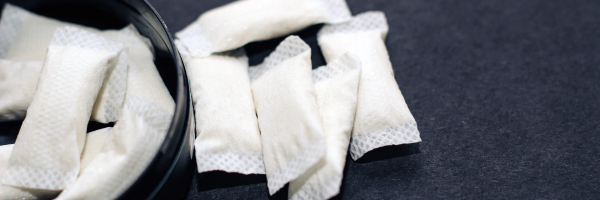
Nicotine, long synonymous with cigarettes, is being rebadged on social media as a clean “wellness” hack, delivered via patches and pouches rather than smoke. Influencers tout sharper focus, calmer moods and even weight loss, but the science tells a more complicated story. Research suggests only modest cognitive gains, mainly in people who already have impairments, while healthy adults see little benefit.​ What is clear is nicotine’s addictive pull and its harms to the heart and blood vessels, with major health bodies warning no nicotine product is safe for cardiovascular health. Its proven role remains in helping smokers quit by cutting exposure to toxic tobacco smoke, not as a lifestyle supplement. As The Conversation’s full analysis notes, reduced harm is not the same as benefit. Read t...
Three Natural Ways to Improve Sleep Without Pills
Remedies

Three Natural Ways to Improve Sleep Without Pills

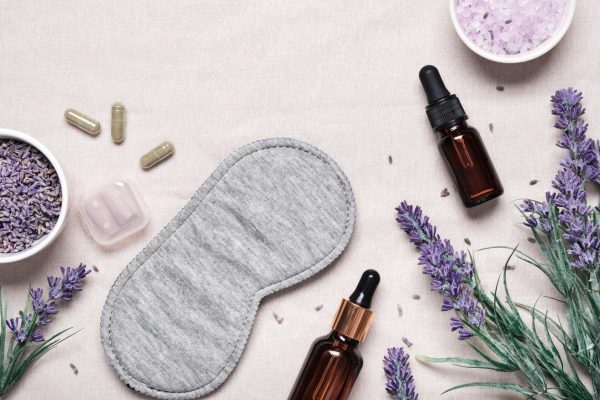
As Americans adjust to spring’s Daylight Saving Time and the loss of an hour’s sleep, many look for ways to rest better without relying on medication. According to a Forbes article by Sophie Okolo, simple lifestyle changes may be as effective as traditional sleep aids. Okolo highlights three evidence-based remedies: relaxing sleep music, acupuncture, and a phone-free bedroom. Studies show that calming music before bed can enhance relaxation, while acupuncture may improve sleep quality and reduce stress. Meanwhile, leaving smartphones outside the bedroom helps avoid blue light and late-night scrolling, both known to disrupt rest. Experts emphasize that improving sleep often begins with habit changes rather than pills—and making these small adjustments could be the easiest path to better h...
Diet Emerges as a Key Weapon Against Fatty Liver Disease
Diet

Diet Emerges as a Key Weapon Against Fatty Liver Disease

A growing body of evidence suggests that what people eat can powerfully influence the course of fatty liver disease, a condition marked by excess fat buildup in the liver. Researchers and clinicians now emphasize patterns such as the Mediterranean-style diet, rich in fruits, vegetables, whole grains and healthy fats, as a cornerstone of care alongside weight management and exercise. At the same time, they warn that ultra-processed foods, sugary drinks and excessive saturated fats may accelerate liver damage and related metabolic problems. For patients, the message is shifting from isolated “superfoods” to long-term, sustainable eating habits that protect liver function. A detailed discussion of these dietary strategies appears in an overview on fatty liver disease and diet published by Liv...
How Much Vitamin D3 Do You Really Need Each Day?
Wellness

How Much Vitamin D3 Do You Really Need Each Day?

Vitamin D deficiency remains widespread despite the ease of access to modern supplements and fortified foods. According to USA Today, vitamin D3—produced naturally when skin is exposed to sunlight—is the most efficient form for maintaining healthy levels. It helps the body absorb calcium, strengthen bones, and support immune and muscle function. Experts note that limited sun exposure, higher body weight, age, and certain medical conditions can reduce the body’s ability to produce vitamin D naturally. The National Institutes of Health recommends 600 IU daily for most adults and up to 800 IU for those over 70. Intakes above 4,000 IU from all sources should only be taken under medical supervision.
Simple Lifestyle Tweaks That Could Ease Sleep Apnea
Remedies

Simple Lifestyle Tweaks That Could Ease Sleep Apnea

While CPAP therapy remains the most effective treatment for sleep apnea, new research and expert advice suggest several natural strategies can make managing symptoms easier. Sleep medicine specialists, including Dr. Valerie Cacho and Dr. Brandon Peters, note that small changes—like adjusting your sleep position, losing weight, and practicing myofunctional or breathing exercises—can help reduce snoring and improve sleep quality. Singing or even playing wind instruments such as the didgeridoo may also strengthen airway muscles. Inflammation is another factor; reducing alcohol, smoking, and certain foods like dairy or gluten may ease nighttime breathing issues. For a full rundown of expert-approved remedies, visit Woman’s World.
20 Everyday Foods That Can Help Deflate Bloat, Experts Say
Diet

20 Everyday Foods That Can Help Deflate Bloat, Experts Say

Bloating may be common, but nutrition experts say your grocery list can make a real difference. Drawing on research and registered dietitians’ advice, a new Women’s Health roundup highlights 20 foods that may help ease gas and water retention, from probiotic-rich yogurt and ginger to potassium-packed bananas and avocados. Hydrating produce like cucumber, tomatoes, and asparagus may help the body flush excess fluid, while high‑fiber picks such as oatmeal, lentils, and artichokes support more regular digestion. Enzyme-rich fruits, including kiwi, papaya, and pineapple, are also flagged for their potential to speed up the breakdown of food and reduce discomfort. The story stresses that simple habits—like eating slowly, cutting back on ultra‑processed foods, and skipping fizzy drinks—remain es...