Thursday, May 28

Wellness

Moroccan Mint Tea: The Wellness Ritual in a Glass
Wellness

Moroccan Mint Tea: The Wellness Ritual in a Glass

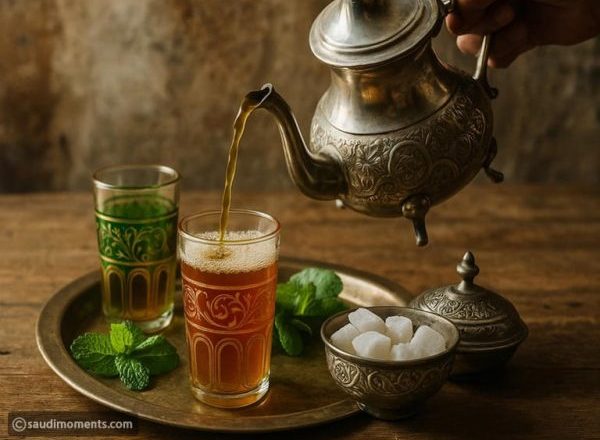
Moroccan mint tea, or “atay,” is emerging as more than a cultural symbol; it is increasingly viewed as a daily wellness ritual. Steeped from green tea, fresh spearmint and sugar, the drink is credited with easing digestion, calming bloating and soothing post‑meal discomfort. Health experts also point to its antioxidant punch, noting that green tea catechins and mint’s antimicrobial properties may bolster the immune system and support heart health when consumed regularly and with minimal added sugar. The menthol-rich steam is reported to relieve sinus pressure and mild headaches, while the gentle caffeine lift helps sharpen focus without the jitters of coffee. Advocates say the simple act of brewing and sharing the tea delivers its own mental health dividend, offering a moment of calm in ...
Wellness Retreats Surge in Popularity as U.S. Destinations Rival Global Hotspots
Wellness

Wellness Retreats Surge in Popularity as U.S. Destinations Rival Global Hotspots

As 2026 travel planning ramps up, more Americans are choosing domestic wellness retreats over international trips, drawn by high-end experiences that rival global destinations. From Utah’s red rock luxury at Amangiri to Hawaii’s secluded Sensei Lanai, U.S.-based retreats are redefining health-focused travel with structured programs centered on movement, nutrition, and mental wellbeing. Properties like CIVANA in Arizona and Carillon Miami blend traditional spa treatments with modern therapies such as cryotherapy and sound healing, while Miraval emphasizes digital detox and mindfulness. According to a recent AOL feature, these retreats increasingly offer personalized, science-backed programs rather than à la carte services (source). With longer stays and diagnostic-driven treatments on the...
How Habit-Stacking Is Changing the Way People Build Healthy Routines
Wellness

How Habit-Stacking Is Changing the Way People Build Healthy Routines

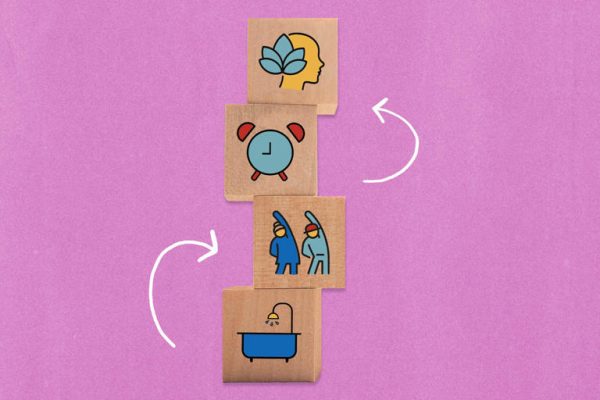
Habit-stacking is emerging as a practical strategy for turning wellness goals into daily action. Instead of relying on motivation alone, experts say the technique links a new behavior to an existing routine—like meditating after brushing your teeth—making it easier to stay consistent. According to health professionals cited in a recent report by MSN, the key lies in specificity and simplicity. Small, clearly defined actions paired with reliable daily habits act as cues, reinforcing repetition and helping behaviors become automatic over time. While large-scale research is limited, psychologists note the method aligns with established behavior science. By focusing on manageable steps instead of sweeping changes, habit-stacking may offer a more sustainable path to long-term health improveme...
From Celebrity Fad to Gen Z Staple: Why Vibration Plates Are Buzzing Again
Wellness

From Celebrity Fad to Gen Z Staple: Why Vibration Plates Are Buzzing Again

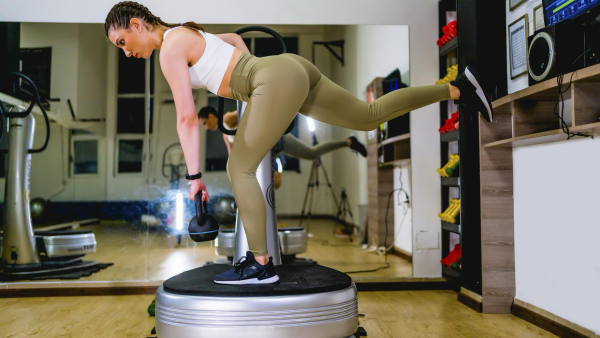
Once a status symbol in Madonna and Claudia Schiffer’s home gyms, the vibration plate is back — this time in shrunken, affordable form and firmly in the hands of Millennials and Gen Z. Social media is driving the revival, with more than 133,000 TikTok posts and a surge in Google searches about benefits for women, as young users swap weight-loss promises for buzzier claims around lymphatic drainage, bloating and recovery. Fans “habit stack” by adding light weights or LED masks, treating the plate as a daily self‑care ritual rather than a miracle fat‑burner. Experts say evidence for lymphatic benefits is still thin, though vibration plates may aid circulation, mobility and strength, especially for those with limited exercise options. As The Australian notes, the once‑maligned gadget has qu...
Chinese ‘baddie’ wellness: TikTok’s warm and cosy spin on TCM
Wellness

Chinese ‘baddie’ wellness: TikTok’s warm and cosy spin on TCM

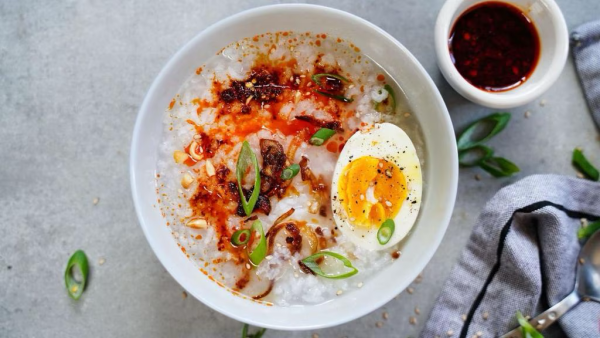
TikTok’s latest craze, the “Chinese baddie” wellness trend, is pushing young Western women to swap iced lattes and cold salads for congee, warm water and house slippers. Drawing on Traditional Chinese Medicine, the aestheticised “becoming Chinese” movement champions warmth, rest and slower living, from never going to bed with wet hair to banning outdoor clothes from the bed. Chinese medicine practitioner Vivian Tam says these rituals can gently support digestion, circulation and stress relief, but warns social media strips away nuance and individualisation. Gentle practices like Tai Chi, foot baths and red date tea are generally safe, yet Tam stresses that true TCM care should be tailored by a qualified practitioner and balanced with medical advice. Read the full original report at Body+So...
Spring Supplements: How to Refresh Your Wellness Routine This Season
Wellness

Spring Supplements: How to Refresh Your Wellness Routine This Season

Spring’s longer days are more than a mood shift — they’re a cue to rethink how you support your body from the inside out. Health experts say that while basic nutritional needs stay steady year-round, the move outdoors can alter sleep patterns, energy levels and even how your skin and sinuses cope with pollen-heavy air. This seasonal reset has prompted renewed interest in targeted supplements that back immune defenses, bolster joint comfort for more active days, support restorative sleep and maintain resilient skin and hair. Alongside these niche add-ons, core nutrients such as vitamin D, magnesium, omega‑3 fats and B vitamins remain the foundation of a year-round regimen. For a full breakdown of spring-focused nutrients and how they align with specific health goals, see the original repo...
Nicotine’s Wellness Rebrand Masks Old Risks
Wellness

Nicotine’s Wellness Rebrand Masks Old Risks

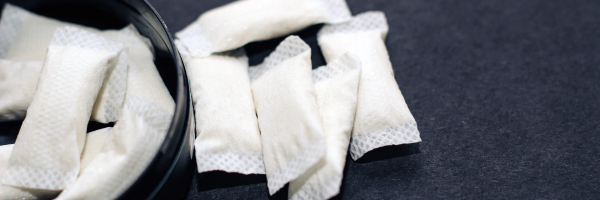
Nicotine, long synonymous with cigarettes, is being rebadged on social media as a clean “wellness” hack, delivered via patches and pouches rather than smoke. Influencers tout sharper focus, calmer moods and even weight loss, but the science tells a more complicated story. Research suggests only modest cognitive gains, mainly in people who already have impairments, while healthy adults see little benefit.​ What is clear is nicotine’s addictive pull and its harms to the heart and blood vessels, with major health bodies warning no nicotine product is safe for cardiovascular health. Its proven role remains in helping smokers quit by cutting exposure to toxic tobacco smoke, not as a lifestyle supplement. As The Conversation’s full analysis notes, reduced harm is not the same as benefit. Read t...
How Much Vitamin D3 Do You Really Need Each Day?
Wellness

How Much Vitamin D3 Do You Really Need Each Day?

Vitamin D deficiency remains widespread despite the ease of access to modern supplements and fortified foods. According to USA Today, vitamin D3—produced naturally when skin is exposed to sunlight—is the most efficient form for maintaining healthy levels. It helps the body absorb calcium, strengthen bones, and support immune and muscle function. Experts note that limited sun exposure, higher body weight, age, and certain medical conditions can reduce the body’s ability to produce vitamin D naturally. The National Institutes of Health recommends 600 IU daily for most adults and up to 800 IU for those over 70. Intakes above 4,000 IU from all sources should only be taken under medical supervision.
Why Mitopure Is the New Buzzword in Cellular Wellness
Wellness

Why Mitopure Is the New Buzzword in Cellular Wellness

The wellness world is abuzz with talk of Mitopure, a science‑backed supplement targeting cellular energy and longevity. Developed by Timeline, Mitopure contains Urolithin A, a compound that supports mitochondrial function—the tiny “power plants” inside our cells that weaken with age. Unlike quick‑fix energy boosters, Mitopure aims to gradually enhance strength, mobility, and endurance over time. With six clinical studies behind it, the supplement is available in gummies, capsules, and powder, appealing to both fitness enthusiasts and those seeking sustainable vitality. As longevity trends gain traction in 2026, Mitopure appears poised to become the next foundational wellness tool. Read the full story on MSN Health.
How Olympic Athletes Master the Art of Sleep
Wellness

How Olympic Athletes Master the Art of Sleep

Even elite athletes know that medals aren’t won without rest. As the 2026 Winter Games unfold in Italy, Team USA competitors are sharing their top strategies for high-performance sleep — from nap timing to melatonin use — in Bustle’s latest feature. Jessica Bartley of the U.S. Olympic & Paralympic Committee says consistent routines are as vital as training, advising limits on caffeine and fixed bedtimes. Athletes like figure skater Amber Glenn and hockey captain Hilary Knight rely on naps and apps such as Headspace to recharge through travel and competition. Others swear by sleep kits, firm pillows, or hot showers to unwind. Whether you’re chasing a gold medal or just a better Monday morning, these Olympian habits might be the ultimate sleepmaxxing blueprint.