Wednesday, September 23

Author: Catherine

Do You Have a Cold or the Flu? Here’s How to Find Out
Wellness

Do You Have a Cold or the Flu? Here’s How to Find Out

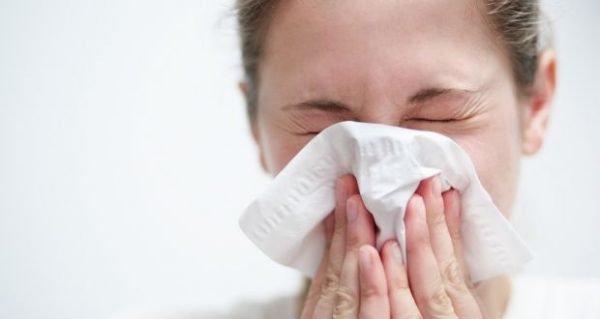
Each year Americans could be hit with an estimated 1 billion colds and 8% of us will get slammed with the flu. That’s a whole lot of cough drops, tissues and sick days. No worries: We’ve got you covered with the info you need to feel better fast, including doctor-approved natural remedies and products that will make riding out symptoms easier — as well as facts about staying one step ahead of germs so these viruses will know better than to mess with you again. The first thing is first though, do you have a cold or the flu? Cold symptoms: Things typically start with a scratchy throat or runny nose and gradually get worse. Symptoms tend to be mild and include sneezing, nasal congestion, a sore throat, slightly swollen glands, and coughing. Treatment: Take it easy, rest up and...
What Is Plantar Fasciitis?
Wellness

What Is Plantar Fasciitis?

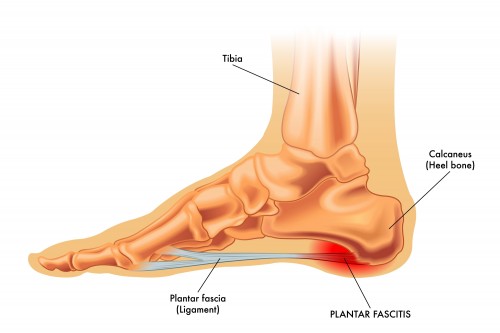
Plantar fasciitis is a common condition that causes pain in the heel. A thick, strong band of tissue called the plantar fascia supports the arch of the foot. This tissue can become damaged or inflamed, causing pain and difficulty moving the foot. According to the National Institute for Health and Care Excellence, plantar fasciitis accounts for about 80% of cases of heel pain. An estimated 10% of people will experience this problem during their lifetime. What causes plantar fasciitis? The function of the plantar fascia is to absorb the impact of standing, walking, and running on the foot. This part of the body gets a lot of use, and too much pressure can damage the plantar fascia. Women are more likely than men to experience plantar fasciitis. It is not clear why, but it may ...
The Ideal Diet for Lower Blood Pressure
Diet

The Ideal Diet for Lower Blood Pressure

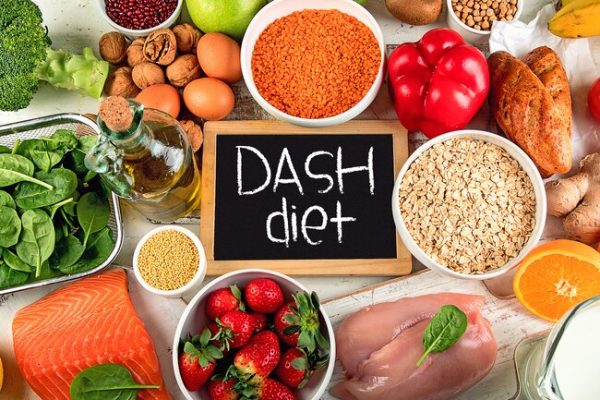
High blood pressure (aka hypertension) affects 1 in 3 Americans. Medication can help control it, but as with most chronic health conditions, having healthy habits is also important. “You should always work with your doctor, but lifestyle can play a huge role in managing hypertension at every age,” says Holly Nicastro, Ph.D., M.P.H., program director in the division of cardiovascular sciences at the National Heart, Lung, and Blood Institute. That includes not smoking, controlling stress, exercising, and eating the right kinds of foods. In fact, a healthy diet is one of the most powerful tools for lowering your numbers—and may reduce the need for medication. The DASH Diet The effect of diet on hypertension has been extensively studied. “There are many different diets with purport...