Wednesday, September 2

Wellness

Research Says Moving Through Joint Pain, Not Resting It, Protects Aging Joints
Wellness

Research Says Moving Through Joint Pain, Not Resting It, Protects Aging Joints

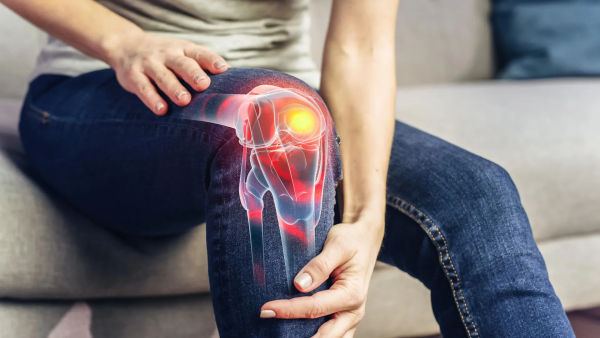
Avoiding movement because of aching joints may make matters worse, according to a review by University of Canberra sports medicine researcher Gordon Waddington, published via ScienceDaily. A Cochrane review cited in the piece found exercise reduces pain and improves function in knee osteoarthritis about as well as anti-inflammatory medication, without the side effects. Low-impact options like swimming, cycling, tai chi, and walking on varied terrain help nourish cartilage and strengthen supporting muscles, with gradual progression and proper form recommended.
Exercise May Help the Brain Clear Waste During Sleep, Review Finds
Wellness

Exercise May Help the Brain Clear Waste During Sleep, Review Finds

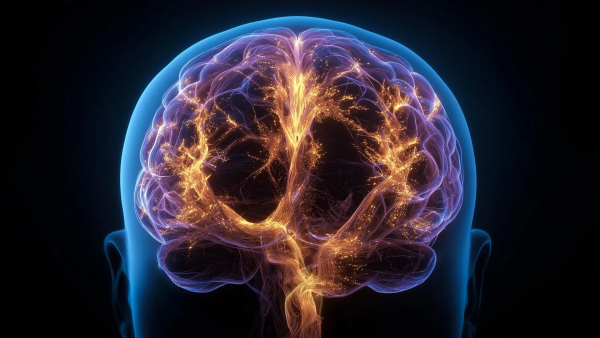
Regular physical activity appears to support the brain's glymphatic system, a waste-clearance pathway that is most active during sleep, according to a research review from Victoria University published in Trends in Neurosciences and reported by ScienceDaily. The review found exercise is linked to lower blood pressure, reduced brain inflammation, and improved deep sleep, processes tied to how the brain clears metabolic waste. Lead researcher Dr. James Broatch said unresolved buildup "is damaging, especially as we age," though the authors note more research is still needed.
Wellness Tech Boom: Experts Say Nature Still Comes First
Wellness

Wellness Tech Boom: Experts Say Nature Still Comes First

As wellness gadgets flood the market, not all are worth the investment. According to a review by Beauticate, the most effective devices—infrared saunas, red light therapy, and sleep trackers—work best when they complement, not replace, natural health habits. The article highlights that many technologies replicate basic biological inputs like sunlight, heat, and circadian rhythms. An infrared sauna, backed by research linking regular use to reduced cardiovascular risk, stands out for recovery and relaxation. Red light therapy is gaining traction for its role in skin health and inflammation, while sleep trackers can reveal patterns in recovery—though overreliance may backfire. Crucially, the review stresses starting with foundational habits before investing. As noted in the original Beauti...
‘Slowmaxxing’ Trend Urges Americans to Hit Pause on Hustle Culture
Wellness

‘Slowmaxxing’ Trend Urges Americans to Hit Pause on Hustle Culture

Coined in a 2022 tweet and popularized through recent coverage in outlets like Vice, slowmaxxing reframes “optimization” as reducing urgency rather than squeezing more productivity into every hour. The practice centers on dragging out ordinary routines—brewing coffee, walking, reading—so an overstimulated nervous system can reset, not just relax. Advocates say this low-cost approach lands at a moment when the global wellness economy has surged to $6.8 trillion and continues to grow, yet many consumers feel too maxed out to buy into another trend. Instead, they’re being encouraged to start small: walk without headphones, eat one screen-free meal, or read a physical book for 15 minutes—simple acts that ask overworked Americans to reclaim attention, not just time. Read the original report in ...
Apple Watch Blood Sugar Tracking Still a Promise, Not a Product
Wellness

Apple Watch Blood Sugar Tracking Still a Promise, Not a Product

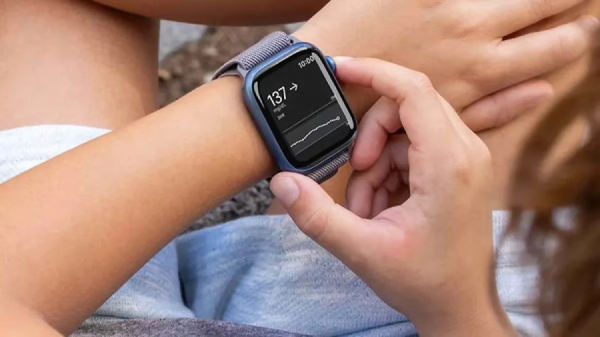
Apple’s long-rumored blood sugar tracking for Apple Watch remains out of reach, despite years of research, patents, and rising consumer expectations. The U.S. Food and Drug Administration has not cleared any smartwatch or smart ring to measure or estimate blood glucose without piercing the skin, warning that inaccurate readings could drive dangerous dosing or treatment decisions for people with diabetes. For now, Apple Watch plays a supporting role: it can display real-time glucose readings from compatible continuous glucose monitors such as Dexcom’s G7, which now connects directly to the watch via Bluetooth, but the data still comes from the sensor under the skin. Until regulators see credible clinical evidence, Apple’s glucose ambitions will remain speculative. Read the full analysis at...
Moroccan Mint Tea: The Wellness Ritual in a Glass
Wellness

Moroccan Mint Tea: The Wellness Ritual in a Glass

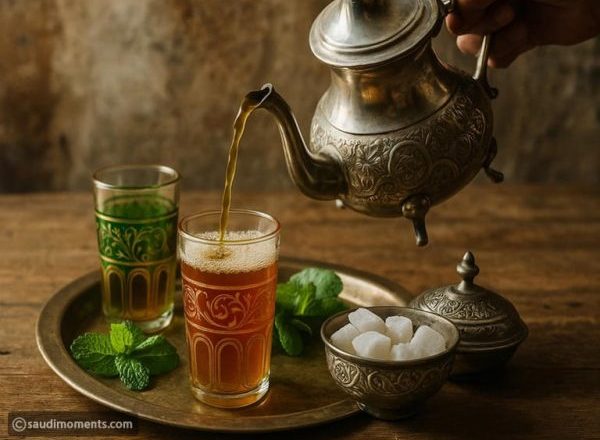
Moroccan mint tea, or “atay,” is emerging as more than a cultural symbol; it is increasingly viewed as a daily wellness ritual. Steeped from green tea, fresh spearmint and sugar, the drink is credited with easing digestion, calming bloating and soothing post‑meal discomfort. Health experts also point to its antioxidant punch, noting that green tea catechins and mint’s antimicrobial properties may bolster the immune system and support heart health when consumed regularly and with minimal added sugar. The menthol-rich steam is reported to relieve sinus pressure and mild headaches, while the gentle caffeine lift helps sharpen focus without the jitters of coffee. Advocates say the simple act of brewing and sharing the tea delivers its own mental health dividend, offering a moment of calm in ...
Wellness Retreats Surge in Popularity as U.S. Destinations Rival Global Hotspots
Wellness

Wellness Retreats Surge in Popularity as U.S. Destinations Rival Global Hotspots

As 2026 travel planning ramps up, more Americans are choosing domestic wellness retreats over international trips, drawn by high-end experiences that rival global destinations. From Utah’s red rock luxury at Amangiri to Hawaii’s secluded Sensei Lanai, U.S.-based retreats are redefining health-focused travel with structured programs centered on movement, nutrition, and mental wellbeing. Properties like CIVANA in Arizona and Carillon Miami blend traditional spa treatments with modern therapies such as cryotherapy and sound healing, while Miraval emphasizes digital detox and mindfulness. According to a recent AOL feature, these retreats increasingly offer personalized, science-backed programs rather than à la carte services (source). With longer stays and diagnostic-driven treatments on the...
How Habit-Stacking Is Changing the Way People Build Healthy Routines
Wellness

How Habit-Stacking Is Changing the Way People Build Healthy Routines

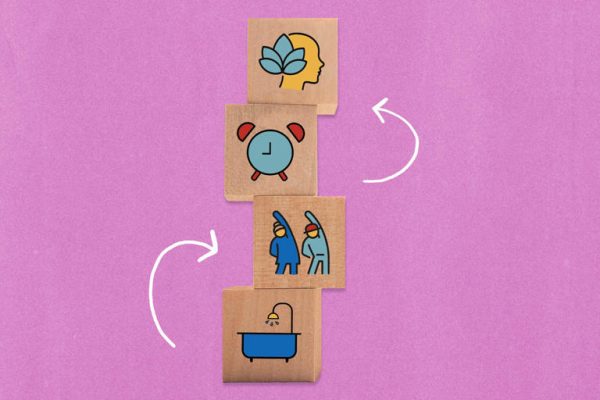
Habit-stacking is emerging as a practical strategy for turning wellness goals into daily action. Instead of relying on motivation alone, experts say the technique links a new behavior to an existing routine—like meditating after brushing your teeth—making it easier to stay consistent. According to health professionals cited in a recent report by MSN, the key lies in specificity and simplicity. Small, clearly defined actions paired with reliable daily habits act as cues, reinforcing repetition and helping behaviors become automatic over time. While large-scale research is limited, psychologists note the method aligns with established behavior science. By focusing on manageable steps instead of sweeping changes, habit-stacking may offer a more sustainable path to long-term health improveme...
From Celebrity Fad to Gen Z Staple: Why Vibration Plates Are Buzzing Again
Wellness

From Celebrity Fad to Gen Z Staple: Why Vibration Plates Are Buzzing Again

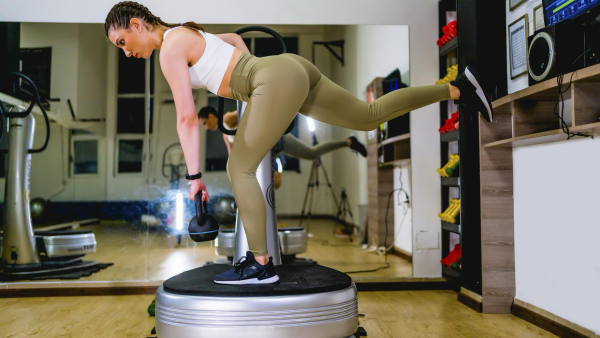
Once a status symbol in Madonna and Claudia Schiffer’s home gyms, the vibration plate is back — this time in shrunken, affordable form and firmly in the hands of Millennials and Gen Z. Social media is driving the revival, with more than 133,000 TikTok posts and a surge in Google searches about benefits for women, as young users swap weight-loss promises for buzzier claims around lymphatic drainage, bloating and recovery. Fans “habit stack” by adding light weights or LED masks, treating the plate as a daily self‑care ritual rather than a miracle fat‑burner. Experts say evidence for lymphatic benefits is still thin, though vibration plates may aid circulation, mobility and strength, especially for those with limited exercise options. As The Australian notes, the once‑maligned gadget has qu...
Chinese ‘baddie’ wellness: TikTok’s warm and cosy spin on TCM
Wellness

Chinese ‘baddie’ wellness: TikTok’s warm and cosy spin on TCM

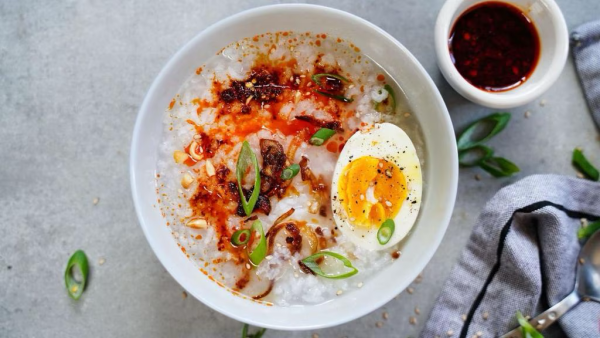
TikTok’s latest craze, the “Chinese baddie” wellness trend, is pushing young Western women to swap iced lattes and cold salads for congee, warm water and house slippers. Drawing on Traditional Chinese Medicine, the aestheticised “becoming Chinese” movement champions warmth, rest and slower living, from never going to bed with wet hair to banning outdoor clothes from the bed. Chinese medicine practitioner Vivian Tam says these rituals can gently support digestion, circulation and stress relief, but warns social media strips away nuance and individualisation. Gentle practices like Tai Chi, foot baths and red date tea are generally safe, yet Tam stresses that true TCM care should be tailored by a qualified practitioner and balanced with medical advice. Read the full original report at Body+So...