Thursday, July 23

Remedies

Simple Lifestyle Tweaks That Could Ease Sleep Apnea
Remedies

Simple Lifestyle Tweaks That Could Ease Sleep Apnea

While CPAP therapy remains the most effective treatment for sleep apnea, new research and expert advice suggest several natural strategies can make managing symptoms easier. Sleep medicine specialists, including Dr. Valerie Cacho and Dr. Brandon Peters, note that small changes—like adjusting your sleep position, losing weight, and practicing myofunctional or breathing exercises—can help reduce snoring and improve sleep quality. Singing or even playing wind instruments such as the didgeridoo may also strengthen airway muscles. Inflammation is another factor; reducing alcohol, smoking, and certain foods like dairy or gluten may ease nighttime breathing issues. For a full rundown of expert-approved remedies, visit Woman’s World.
Stepping Outside: Nature’s Cure for Digital Fatigue
Remedies

Stepping Outside: Nature’s Cure for Digital Fatigue

In an era dominated by constant notifications and endless scrolling, stepping into nature offers a restorative counterbalance. Writing for The Concord Bridge, columnist Wilson Kerr reflects on how unplugging — even for a morning meeting or a brief walk — can sharpen awareness and renew connection with the real world. Kerr describes attending a local conservation gathering without his phone, feeling more engaged and present among neighbors tackling real environmental issues. Simple practices like leaving devices behind on walks or keeping them out of the bedroom, he writes, can reduce anxiety and foster mindfulness. As Kerr notes, no algorithm can replicate the quiet rhythm of a winter wood or a flock of bluebirds in the yard. Read more at The Concord Bridge.
Four Natural Ways to Quiet the Ringing of Tinnitus
Remedies

Four Natural Ways to Quiet the Ringing of Tinnitus

Millions of people experience tinnitus — the persistent ringing, buzzing, or hissing in the ears that no one else can hear. While there’s no cure, there are natural ways to ease its effects, according to Dr. Maura Cosetti, director of the Ear Institute at Mount Sinai, in a recent TODAY.com article. Cosetti advises using sound therapy, like white noise or fans, to distract the brain from internal noise. Stress reduction through meditation or exercise can also help, since anxiety often worsens symptoms. Keeping ears clean — without Q-tips — and maintaining healthy sleep habits are key, too. She emphasizes that anyone with persistent tinnitus should see a physician to identify underlying causes and protect long-term hearing health.
Regaining Your Sense of Taste After COVID-19: What Works and Why
Remedies

Regaining Your Sense of Taste After COVID-19: What Works and Why

Losing your sense of taste is a common and frustrating side effect of COVID-19, but most people regain it within weeks. According to Verywell Health, several at-home techniques can help speed recovery. Smell retraining—using essential oils like rose, lemon, or eucalyptus twice daily—stimulates olfactory nerves and may restore taste perception. Focusing on texture, staying hydrated, and practicing mindfulness during meals also support recovery. A 2025 study found that the average person regains taste within about 11 days, with 98% recovering fully by six months. If your sense of taste doesn’t return after several months, experts recommend seeing an ear, nose, and throat specialist to rule out other causes.
Herbal Remedies Offer a Natural Path to Better Sleep
Remedies

Herbal Remedies Offer a Natural Path to Better Sleep

A growing body of research is shining a spotlight on traditional herbs as a gentle alternative for the one in three adults missing out on a good night’s sleep. From lavender and chamomile to valerian, passionflower and ashwagandha, many botanicals appear to ease anxiety, calm the nervous system and support the production of serotonin, a key brain chemical for regulating sleep and mood.​ Experts say these herbs may help people fall asleep faster and stay asleep longer without the dependency risks of conventional sleeping pills. They can be taken as teas, supplements, essential oils, or aromatherapy blends, ideally alongside strong sleep hygiene habits such as consistent bedtimes and reduced evening screen time.​ For a deeper look at the science and practical tips on using herbs safely, vi...
Brazilian Herb Shows Promise in Easing Arthritis Pain
Remedies

Brazilian Herb Shows Promise in Easing Arthritis Pain

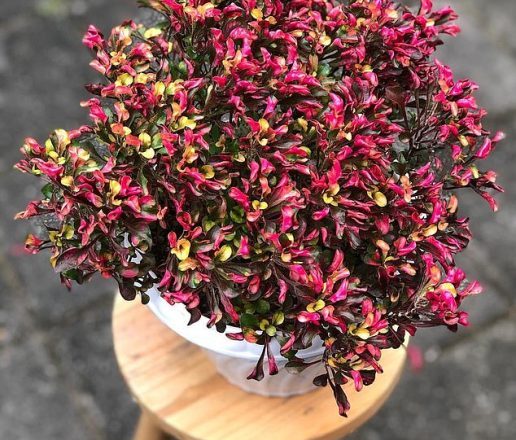
A team of researchers has discovered that an ancient Brazilian plant, Alternanthera littoralis — known as Joseph’s Coat — could hold promise for treating debilitating knee pain caused by osteoarthritis. In a study published in the Journal of Ethnopharmacology, scientists from the Federal University of Grande Dourados found that extracts from the plant significantly reduced swelling, inflammation, and stiffness in mice with arthritis. Osteoarthritis, which affects millions worldwide, has limited treatment options beyond exercise, physiotherapy, or surgery. The study’s authors noted that while further clinical testing in humans is needed, their findings reinforce traditional uses of the herb and suggest potential for safe, effective pain relief. Read the full report on the Daily Mail’s web...
15 Simple Home Remedies for Dry Eyes
Remedies

15 Simple Home Remedies for Dry Eyes

For millions of people, dry eyes are more than a minor irritation — they’re a daily discomfort linked to redness, sensitivity, and blurred vision. According to Healthline, simple at-home habits can help restore eye moisture and relieve symptoms. Common remedies include artificial tears, warm compresses, and running a humidifier to add moisture to indoor air. Experts also suggest reducing screen time, cleaning eyelids regularly, and increasing hydration. Nutrient-rich foods like carrots, leafy greens, and salmon may further support tear production. However, not all treatments are safe. The FDA recently recalled several over-the-counter eye drops due to infection risks, so avoid homemade or unverified products. Read the full guide at Healthline.
Licorice Root Tea Offers Simple Home Relief for Coughs
Remedies

Licorice Root Tea Offers Simple Home Relief for Coughs

Licorice root tea is emerging as a gentle home remedy for easing coughs and soothing irritated throats, with several easy twists that can be made in any kitchen. A recent piece from NewsBytes highlights how pairing licorice root with everyday ingredients such as honey, ginger, lemon, maple syrup, and peppermint can enhance its calming effect on the respiratory tract.​ Honey or maple syrup add a natural coating sweetness, while ginger brings warmth and anti-inflammatory support. Lemon offers a vitamin C boost for immune health, and peppermint can help open nasal passages when congestion accompanies a cough. For full details on preparation methods and ingredient ratios, readers can consult the original article, “Coughing? These licorice root tea remedies may help,” at NewsBytes.
Desert Berry Shows Promise for Natural Diabetes Treatment
Remedies

Desert Berry Shows Promise for Natural Diabetes Treatment

Researchers in China have found that the fruit of Nitraria roborowskii Kom, a hardy desert shrub, could offer a natural way to manage diabetes. A recent study by Qinghai University and the Northwest Institute of Plateau Biology showed that a fruit extract called NRK-C lowered blood sugar levels by up to 40% and improved insulin sensitivity in diabetic mice. The extract also balanced cholesterol and reduced oxidative stress by as much as 60%. Scientists say it works by reactivating a key metabolic pathway that restores the body’s ability to regulate glucose and fat. Though human trials are still needed, the findings point to this “desert cherry” as a potential supplement for metabolic health. Read more at Knowridge.
Time-Tested Remedies to Naturally Relieve Bloating
Remedies

Time-Tested Remedies to Naturally Relieve Bloating

Bloating is a common discomfort that can make even the healthiest meals feel heavy. Ancient home remedies, simple yet effective, have long offered relief. According to NewsBytes, ginger tea aids digestion and reduces gas thanks to its anti-inflammatory properties. Peppermint infusions relax intestinal muscles, while fennel seed water helps release trapped gas when taken on an empty stomach. Chamomile tea calms both the gut and mind, easing digestive tension, and apple cider vinegar before meals may boost stomach acid for better food breakdown. Centuries-old and easy to make, these natural remedies remain trusted allies for anyone seeking gentle relief from bloating.