Friday, May 8

Diet

Six Breakfast Foods That Deliver Natural Energy Without Caffeine
Diet

Six Breakfast Foods That Deliver Natural Energy Without Caffeine

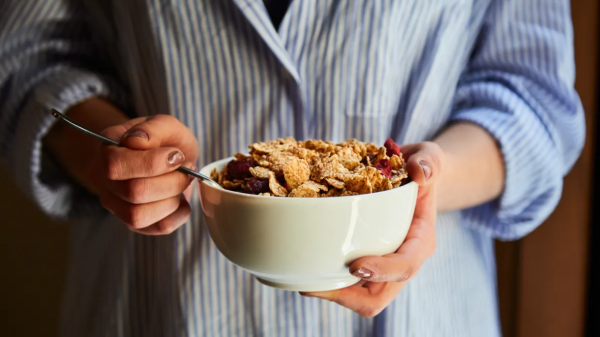
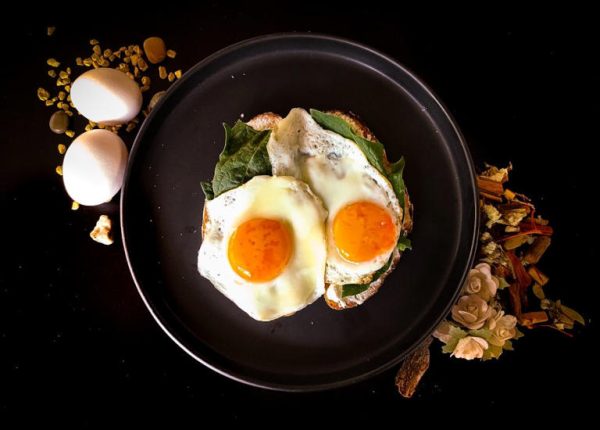
For many, mornings begin with tea or coffee, but nutrition experts say sustained energy doesn’t have to rely on caffeine. According to integrative nutritionist Neeraja Mehta, simple whole foods can provide longer-lasting fuel. In a recent interview, highlighted by MSN, Mehta recommends oats for their slow-releasing carbohydrates, and eggs for high-quality protein and essential nutrients. Other options include poha, a light, easily digestible dish, and bananas, which offer quick energy through natural sugars and potassium. Nuts, seeds, and sprouts round out the list, supplying healthy fats, fibre, and plant-based protein. Together, these foods help stabilise energy levels, reduce hunger spikes, and support overall health—without the crash often associated with caffeine.
Black Prunes Emerge as Gentle Remedy for Constipation
Diet

Black Prunes Emerge as Gentle Remedy for Constipation

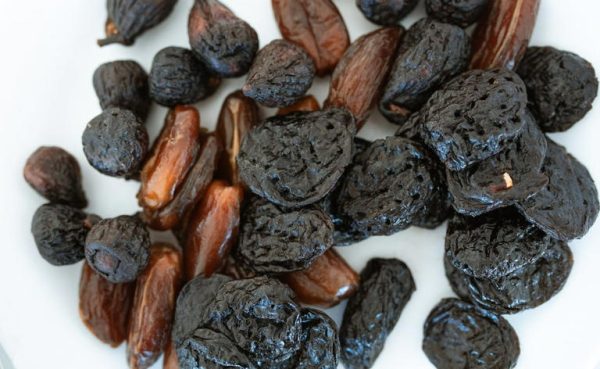
Nutritionist Deepsikha Jain is urging people who rely on laxatives to consider a more natural option: black prunes. In a recent Instagram video, she describes the dried plums as a functional food that can “act as a medicine” for constipation thanks to their rich fibre, potassium and antioxidant content. Black prunes also contain sorbitol, a natural sugar alcohol that helps soften stool and improve bowel movements, offering gentle relief without standard over-the-counter drugs. Jain recommends soaking four to five prunes overnight and eating them on an empty stomach for best results. She also cautions that popular remedies like psyllium husk (Isabgol) may backfire for people with sensitive guts, potentially increasing gas and discomfort if overused. Read the full report on NDTV, syndicated...
Eating for a Longer, Healthier Life
Diet

Eating for a Longer, Healthier Life

As Jamaicans live longer, experts say what we put on our plates could decide how well we age. Dietician Claudhia Ashley told the Jamaica Observer that longevity diets are less about strict rules and more about sustainable patterns built on whole, minimally processed foods. Plans such as the Mediterranean, Blue Zones, plant-based, DASH and MIND diets emphasise vegetables, fruits, legumes, whole grains, healthy fats like olive oil, and moderate protein from fish and lean meats, helping to cut inflammation and lower risks of heart disease, diabetes and cognitive decline. Many also encourage mild calorie restriction, regular movement, good sleep and strong social ties as part of a broader lifestyle for healthy ageing. Read the full article in the Jamaica Observer.
Easter Eggs Go Natural As Artificial Dyes Fade
Diet

Easter Eggs Go Natural As Artificial Dyes Fade

With artificial food coloring increasingly under fire, home cooks are turning to pantry staples to tint their Easter eggs instead of relying on synthetic dye kits. Beets, turmeric, blueberries, onion skins, cabbage, and hibiscus can all yield vivid hues when simmered in water, strained, then spiked with vinegar to help the pigment cling to shells. After cooling, the natural dye baths work much like store-bought versions: some eggs color in minutes, others need an overnight soak and multiple dips for depth. Turmeric produces sunny yellows, blueberries deep purples, beets pinks, while red onion skins and purple cabbage create surprisingly intense reds and blues. Not every “natural” colorant performs well—spirulina and matcha barely register on shells—so experiment and keep eggs refrigerated ...
Cutting Back on Sugar: What Really Changes
Diet

Cutting Back on Sugar: What Really Changes

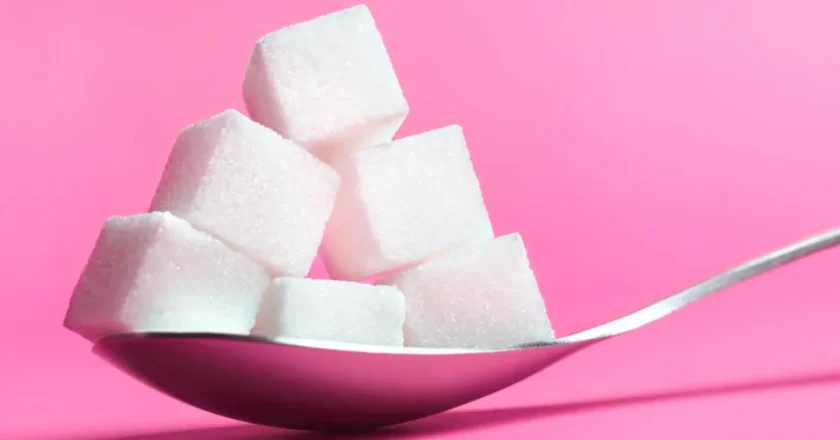
Cutting out added sugar may do far more than trim your waistline. Research compiled by Health.com links high sugar intake to rising rates of obesity, visceral belly fat, and type 2 diabetes, while reducing added sugars can aid weight management and improve insulin sensitivity. Oral health also benefits: bacteria feed on sugar to produce acids that erode tooth enamel, so limiting added sugars to under 10% of daily calories helps prevent cavities and gum disease. Evidence suggests lower sugar consumption may support heart health by reducing triglycerides and keeping blood pressure and cholesterol in check, and it could even calm inflammation that contributes to acne and fatty liver disease. Experts stress you do not need to eliminate natural sugars in fruit, vegetables, and milk—only to rein...
Diet Emerges as a Key Weapon Against Fatty Liver Disease
Diet

Diet Emerges as a Key Weapon Against Fatty Liver Disease

A growing body of evidence suggests that what people eat can powerfully influence the course of fatty liver disease, a condition marked by excess fat buildup in the liver. Researchers and clinicians now emphasize patterns such as the Mediterranean-style diet, rich in fruits, vegetables, whole grains and healthy fats, as a cornerstone of care alongside weight management and exercise. At the same time, they warn that ultra-processed foods, sugary drinks and excessive saturated fats may accelerate liver damage and related metabolic problems. For patients, the message is shifting from isolated “superfoods” to long-term, sustainable eating habits that protect liver function. A detailed discussion of these dietary strategies appears in an overview on fatty liver disease and diet published by Liv...
20 Everyday Foods That Can Help Deflate Bloat, Experts Say
Diet

20 Everyday Foods That Can Help Deflate Bloat, Experts Say

Bloating may be common, but nutrition experts say your grocery list can make a real difference. Drawing on research and registered dietitians’ advice, a new Women’s Health roundup highlights 20 foods that may help ease gas and water retention, from probiotic-rich yogurt and ginger to potassium-packed bananas and avocados. Hydrating produce like cucumber, tomatoes, and asparagus may help the body flush excess fluid, while high‑fiber picks such as oatmeal, lentils, and artichokes support more regular digestion. Enzyme-rich fruits, including kiwi, papaya, and pineapple, are also flagged for their potential to speed up the breakdown of food and reduce discomfort. The story stresses that simple habits—like eating slowly, cutting back on ultra‑processed foods, and skipping fizzy drinks—remain es...
Eating Whole Foods Naturally Cuts Hundreds of Calories a Day, Study Finds
Diet

Eating Whole Foods Naturally Cuts Hundreds of Calories a Day, Study Finds

A new analysis suggests that simply switching to whole, unprocessed foods may help people eat fewer calories—without counting or restricting portions. Researchers at the University of Bristol reexamined data from a tightly controlled National Institutes of Health (NIH) trial comparing ultra-processed diets with whole-food diets. Participants who ate only unprocessed meals consumed about 330 fewer calories per day, despite eating 57% more food by weight. The study, featured on MindBodyGreen, found that people naturally gravitated toward fruits and vegetables, driven by what researchers call “nutritional intelligence”—the body’s instinct to meet micronutrient needs before calorie intake. According to the authors, processed foods disrupt this balance by packing vitamins and calories togethe...
How Unprocessed Foods Quietly Cut 330 Calories a Day
Diet

How Unprocessed Foods Quietly Cut 330 Calories a Day

A new analysis from the University of Bristol reveals that eating unprocessed foods could naturally help people cut about 330 calories a day — without eating less. By revisiting data from a landmark study by the U.S. National Institutes of Health, scientists found that participants on an all-unprocessed diet ate more by weight yet consumed fewer calories overall. Researchers believe this stems from a “nutritional intelligence” that draws people toward fruits and vegetables when foods are in their natural state. The findings highlight how ultra-processed foods may disrupt this instinct, prompting higher calorie intake despite smaller portions. Read the full study summary at SciTechDaily.
Mediterranean Diet Tops Rankings Again — Here’s Why It Works
Diet

Mediterranean Diet Tops Rankings Again — Here’s Why It Works

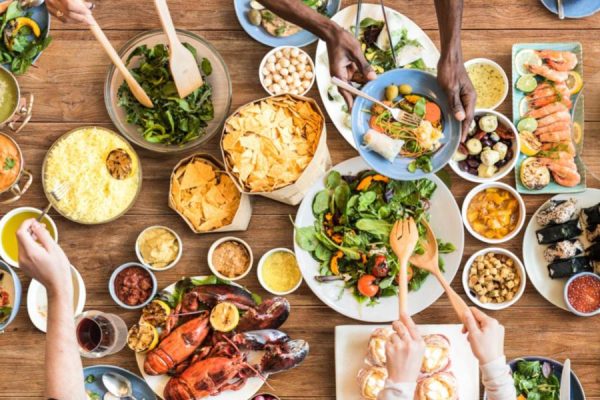
For the seventh consecutive year, the Mediterranean diet has secured the number one spot in U.S. News & World Report’s Best Diets ranking, a testament to its enduring appeal and proven health benefits. As GQ reports, the diet’s foundation lies in the traditional eating habits of Mediterranean countries — emphasizing fruits, vegetables, whole grains, lean proteins, and healthy fats like olive oil. More than a passing food trend, experts praise the diet for supporting heart, bone, and joint health while reducing the risk of chronic diseases such as diabetes. The key to its success? Simplicity, sustainability, and a flavorful approach that’s easy to maintain for life.